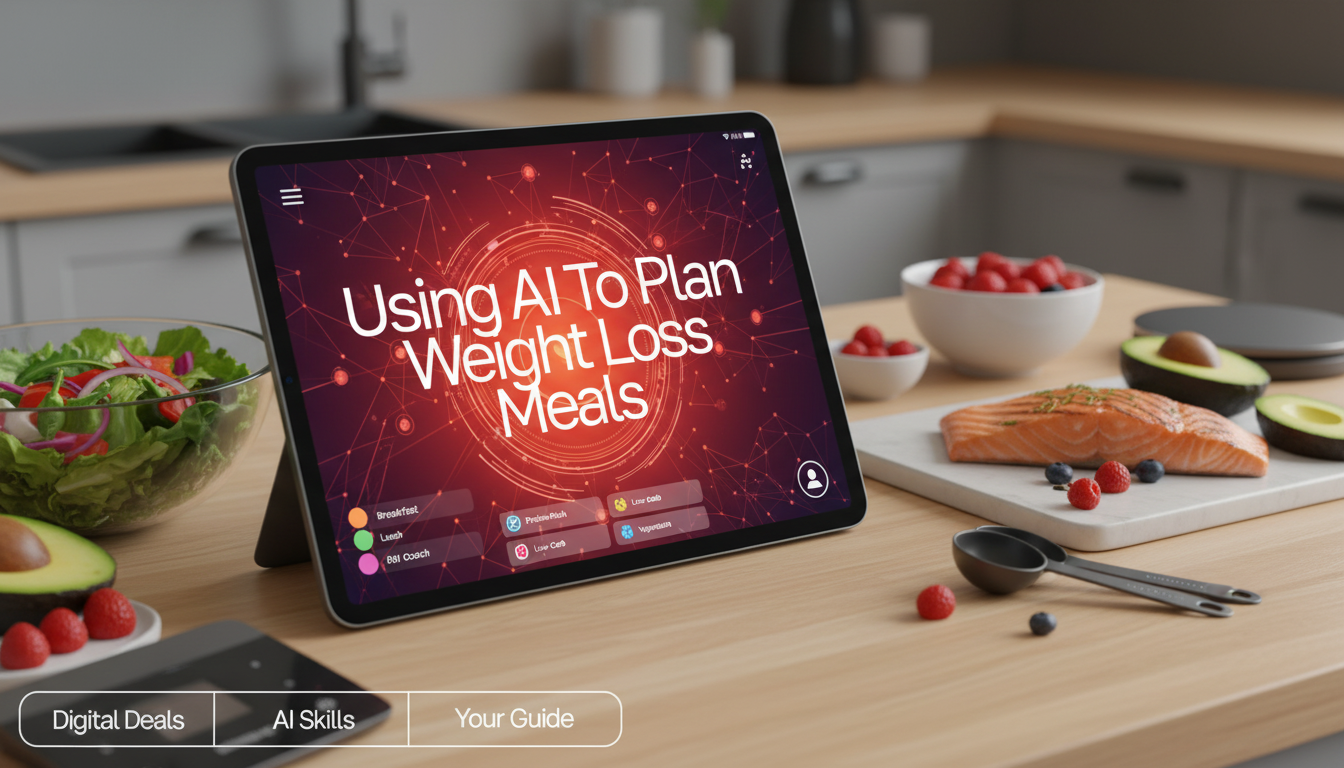
Artificial intelligence can turn nutrition goals into practical weekly meals by combining calorie targets, protein needs, food preferences, budget, and time constraints. Instead of copying a rigid “perfect” menu, an AI-assisted approach works best when it stays flexible, prioritizes nutrient-dense foods, and helps build repeatable habits—so the plan fits real life (busy weeknights included).
AI is strongest at organizing details you already know you need: targets, constraints, recipes, and shopping lists. It can quickly translate a fat-loss goal into daily calorie and macro ranges, then convert that into meals that match your schedule (batch-cook weekends, fast lunches, simple dinners).
It also makes iteration painless. If you get tired of chicken, a pantry item is sold out, or you suddenly have a work dinner, you can rebuild the day or week in minutes—adjusting portions, swapping ingredients, and keeping totals in range.
What AI doesn’t replace is clinical judgment. If you’re pregnant, managing a medical condition, taking medications that affect appetite or metabolism, or have a history of disordered eating, planning should be guided by a qualified clinician. And like any tool, the output depends on the input: inaccurate portions, vague “eyeballing,” or inconsistent tracking can lead to recommendations that miss the mark.
| Task | Best inputs to provide | Useful output | Quick check before using |
|---|---|---|---|
| Set a calorie target | Age, sex, height, weight, activity, goal pace | Daily calorie range | Confirm it’s not overly aggressive; aim for sustainable changes |
| Build meals around protein | Protein target, preferred protein sources, meal count | Meals hitting a protein minimum per meal | Ensure fiber and produce are included, not protein-only meals |
| Generate a weekly plan | Cooking time, equipment, budget, cuisines | 7-day menu + prep steps | Scan for repetition, missing micronutrients, and unrealistic prep load |
| Create a grocery list | Household size, pantry staples, store preferences | Categorized shopping list | Verify quantities match serving sizes and planned leftovers |
| Adjust for dining out | Restaurant type, desired calories/macros | Smarter menu picks + portion guidance | Watch for hidden calories (sauces, drinks) and sodium |
A reliable process beats a “perfect” plan. Start with a realistic pace and a clear baseline: sleep, steps, and meal timing often influence hunger as much as the menu does.
Rather than cramming protein into one meal, aim for protein-forward meals across the day. This supports fullness and helps preserve lean mass during a calorie deficit.
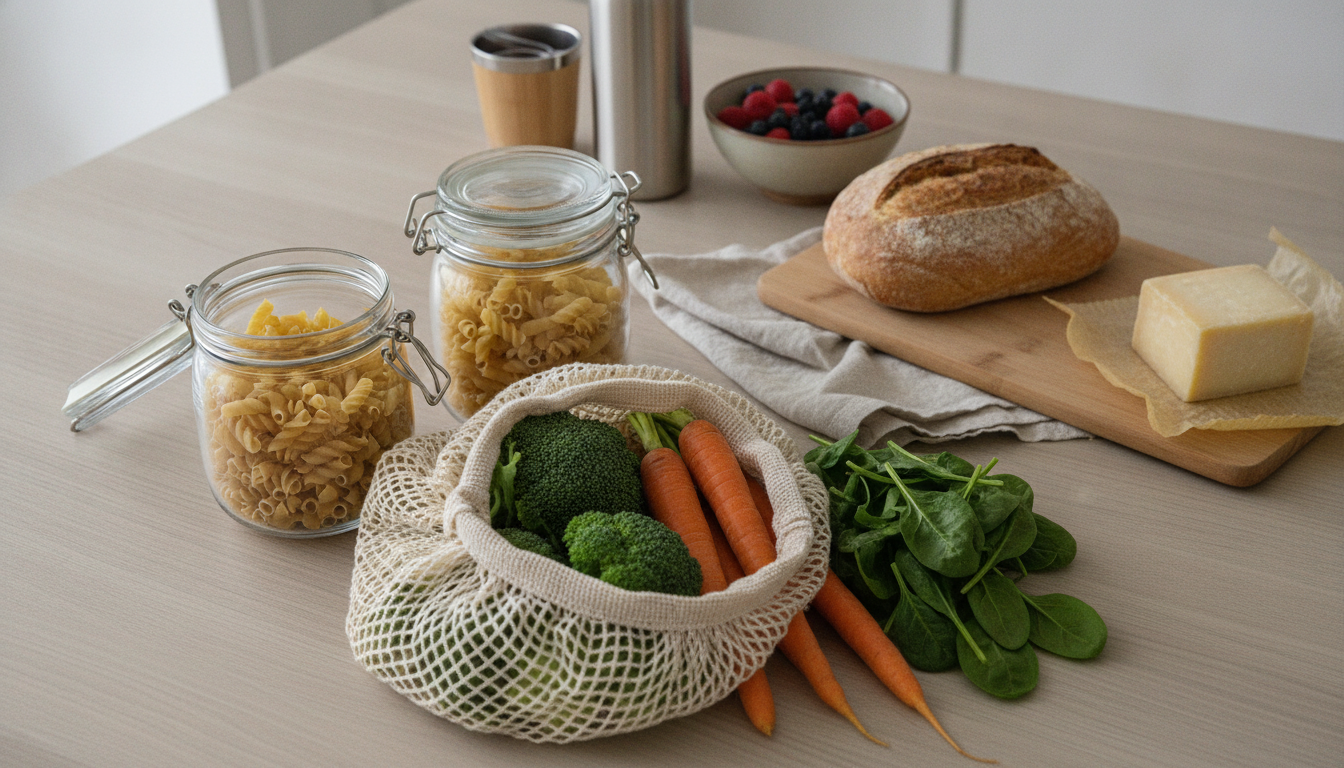
AI should steer meals toward vegetables, beans, fruit, and whole grains. High-fiber foods increase satiety with relatively fewer calories, which is a major advantage when you’re eating less.
Build plates around high-volume, lower-calorie foods (vegetables, broth-based soups, fruit) and add calorie-dense foods intentionally—measured oils, nuts, and cheeses can fit, but portions matter.
Consistency comes easier when meals align with your tastes and convenience needs. If you love tacos, the plan can include taco bowls, salsa-heavy flavor, and lean proteins without feeling like “diet food.”
For evidence-based guidance on healthy weight management, see the NIH guidance on aiming for a healthy weight, the CDC overview of healthy weight, and the Dietary Guidelines for Americans.
If you want a repeatable system (targets → templates → weekly iterations), a structured resource can help standardize your process so each week takes less effort. Consider Using AI to Plan Weight Loss Meals | Digital Guide for Smarter Nutrition, Personalized Diet Planning & Healthy Eating with Artificial Intelligence to streamline setup and weekly planning.
For extra execution support on busy days, step-by-step cooking instructions can reduce friction and keep you consistent with the meals you planned. AI-Powered Step-by-Step Cooking Guide | Digital Download | AI Step-by-Step Cooking Instructions for Effortless Recipes, Smart Meal Planning & Kitchen Creativity is designed to make cooking feel more automatic, even when you’re tired or short on time.
It’s generally safe for healthy adults when used for planning and education, especially with reasonable calorie targets and balanced meals. Consult a clinician if you’re pregnant, managing a medical condition, have an eating disorder history, or take medications that affect appetite or metabolism.
It uses inputs like calorie needs, protein and fiber goals, food preferences, allergies, schedule, cooking skill, and budget to generate meals and portions that fit your constraints. As you swap foods and report what’s realistic, the plan can be iterated to better match your routine.
Track weekly weight trend, waist or other measurements, energy and hunger, adherence percentage, and strength/performance. If you’re consistent and progress stalls for 2–3 weeks, adjust portions or activity slightly and reassess.










Leave a comment