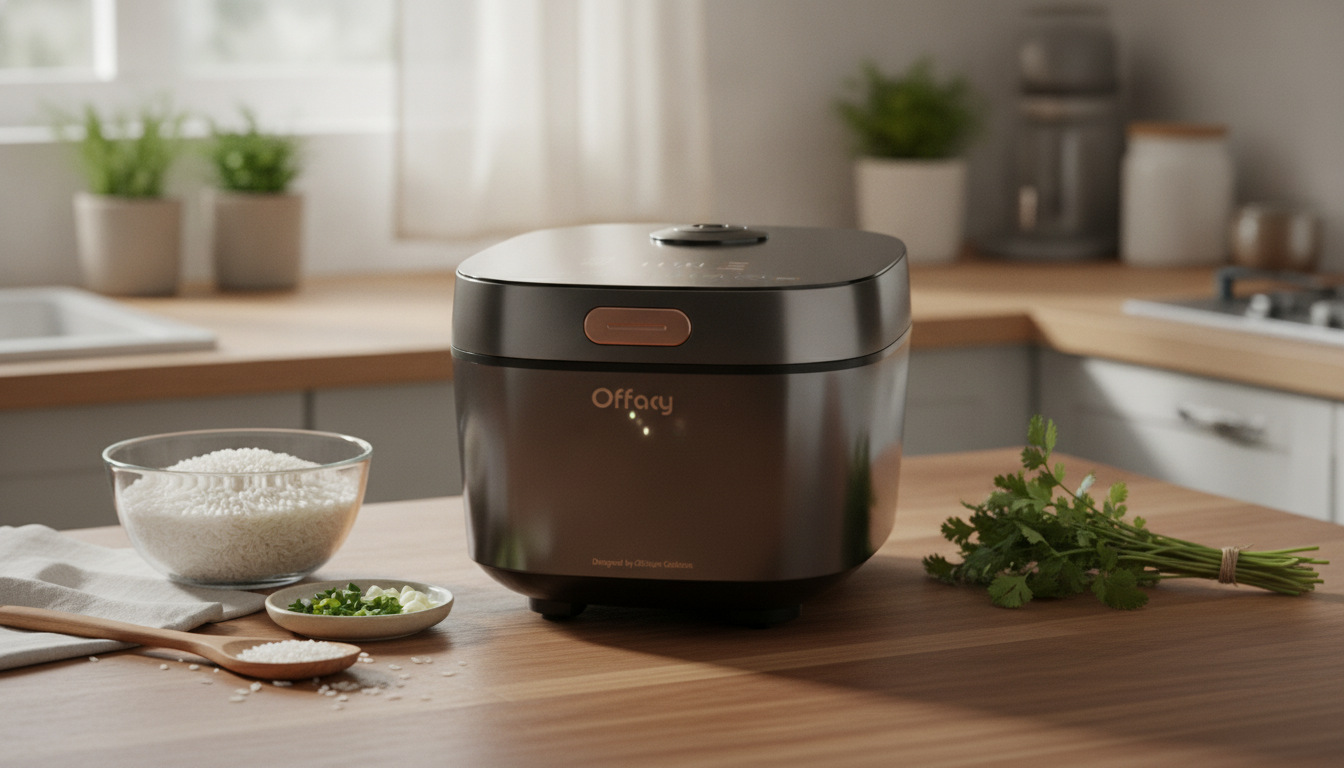
A dependable rice cooker removes guesswork from weeknight dinners, meal prep, and family-style sides. This 8-cup model pairs preset programs with smart fuzzy logic to adjust heat and timing automatically, adds a quick cook option for busy schedules, and finishes with keep warm so rice stays ready for serving. For anyone tired of watching pots or fixing undercooked centers and soggy edges, an 8-cup cooker brings repeatable results with a simple, hands-off routine.
An 8-cup capacity hits the “everyday sweet spot” for many households. It’s enough for multi-portion bowls, a full dinner side, or a batch you can portion and refrigerate for tomorrow’s fried rice. Instead of cooking rice in multiple rounds, you can make one consistent batch and move on to the rest of the menu.
Where this size really shines is consistency across common grains. A cooker that can adjust temperature and simmer time automatically is more forgiving when you swap between jasmine, basmati, sushi-style white rice, or heartier brown rice. The workflow stays the same: measure, rinse if desired, add water, choose a program, and let the cooker manage soaking, heating, and steaming phases.
It’s also practical for mixed menus. While the rice cooks, you can focus on proteins, roasted vegetables, soup, or a quick stir-fry—without juggling timers or worrying about a boil-over on the stove.
Preset programs take the “how long do I cook this?” question off your plate. Instead of guessing timing for white vs. brown rice (or trying to remember the last ratio tweak that worked), you pick the setting and let the machine run the appropriate cycle.
One-touch selection is especially useful in households where more than one person cooks. Clear presets reduce the odds of using the wrong mode and ending up with gummy brown rice or overly firm white rice. Many presets are designed to target a specific texture—fluffier, stickier, or more separated—so it’s easier to match the rice to the meal.
If the dinner plan changes, presets help you pivot quickly: softer rice for bowls, firmer rice for stir-fries, or separated grains for pilaf-style sides.
Smart fuzzy logic is the feature that makes “set it and forget it” feel genuinely reliable. Rather than relying on a fixed timer alone, fuzzy logic monitors conditions inside the pot and adjusts heat and timing as needed to reach the target result.
This matters because rice variables change all the time: the age of the rice, the exact grain variety, the temperature of your water, how thoroughly the rice was rinsed, and even small differences in measuring habits. Fuzzy logic helps compensate for those shifts so you get similar texture day after day with less trial-and-error.
It can also improve the finish phase. Steadier steaming helps reduce scorched bottoms and uneven moisture—two common issues when heat is either too intense early on or too weak during the final set.
Quick cook is built for real life—when dinner starts later than planned or you’re trying to get food on the table between activities. It’s a convenient option for fast sides, especially when you’re pairing rice with quick-cooking proteins and vegetables.
Keep warm adds breathing room at serving time. Instead of racing to plate everything at once, you can hold rice at a ready-to-serve temperature while you finish the rest of the meal or wait for family members to eat in waves.
For food safety, warm-holding is meant for short-term serving, not all-day storage. Cool leftovers promptly and refrigerate in shallow containers. For additional guidance, refer to FoodSafety.gov’s leftovers chart and the USDA FoodKeeper app.
For better texture while using keep warm, fluff the rice right after cooking, close the lid, and avoid frequent opening. Each lid lift releases steam and can dry the surface layer.
| Meal goal | Best-fit setting | Tip for best results |
|---|---|---|
| Weeknight side dish | Quick Cook or White Rice | Rinse rice for cleaner flavor and less foam |
| Meal prep for bowls | White Rice | Fluff and cool a portion quickly before refrigerating |
| Hearty whole grains | Brown/Whole Grain program | Allow a short rest after cooking for moisture to settle |
| Serving over a longer dinner window | Keep Warm | Stir once after cooking, then minimize lid opening |
An “8-cup” rating commonly refers to uncooked rice capacity, and the cooked yield expands significantly. The exact cooked volume depends on the grain type and water ratio, but it will be noticeably more than 8 cups once cooked.
Yes, it can. Fuzzy logic may slightly extend or shorten different phases to reach the right temperature and texture, so total cook time can vary a bit from batch to batch.
Keep warm is best for short-term serving rather than all-day holding. For quality and safety, serve within a reasonable window, then cool leftovers promptly and refrigerate them in shallow containers.












Leave a comment